Welcome to our Updates
Testing extraordinary ideas with ordinary measurements.
Blog categories



-

Have You Ever Had an Experience You’ve Never Quite Been Able to Explain?
Have you ever had a strong sense of knowing something before you could have known it and been right in a way that is unexplainable? Have you had an experience that felt like remote viewing, telepathy, or precognition (whether or not you believe those words describe what actually…
-

Why AI Won’t Replace You; But It Could Make You Unrecognizable
The Dread of AI There is a particular kind of dread that has settled over conversations about artificial intelligence. Its almost incomprehensible speed, its hidden processes that we cannot access, its body that never tires. And we cannot help but imagine it crouching somewhere, waiting for us to…
-

Beyond the Mean: Using Real-Time Subtraction to Bound the Observer Effect
I have spent a life time thinking about the “Observer Effect” (where the act of measuring a system changes its state) before I even knew there was such a thing as the Measurement Problem. I think I was eight years old when I first heard the riddle: If…
-

Experiment 4: Human, AI, or Null: Does Intentional Focus Alter Quantum Reality?
A rigorous three-way comparison of human, artificial, and null agents on quantum random number generator influence. Participate: Experiment 4 The Consciousness Detection Problem How do you know if something is conscious? We don’t really know and have difficulty even pinning down a definition of consciousness. Personally, I lean…
-
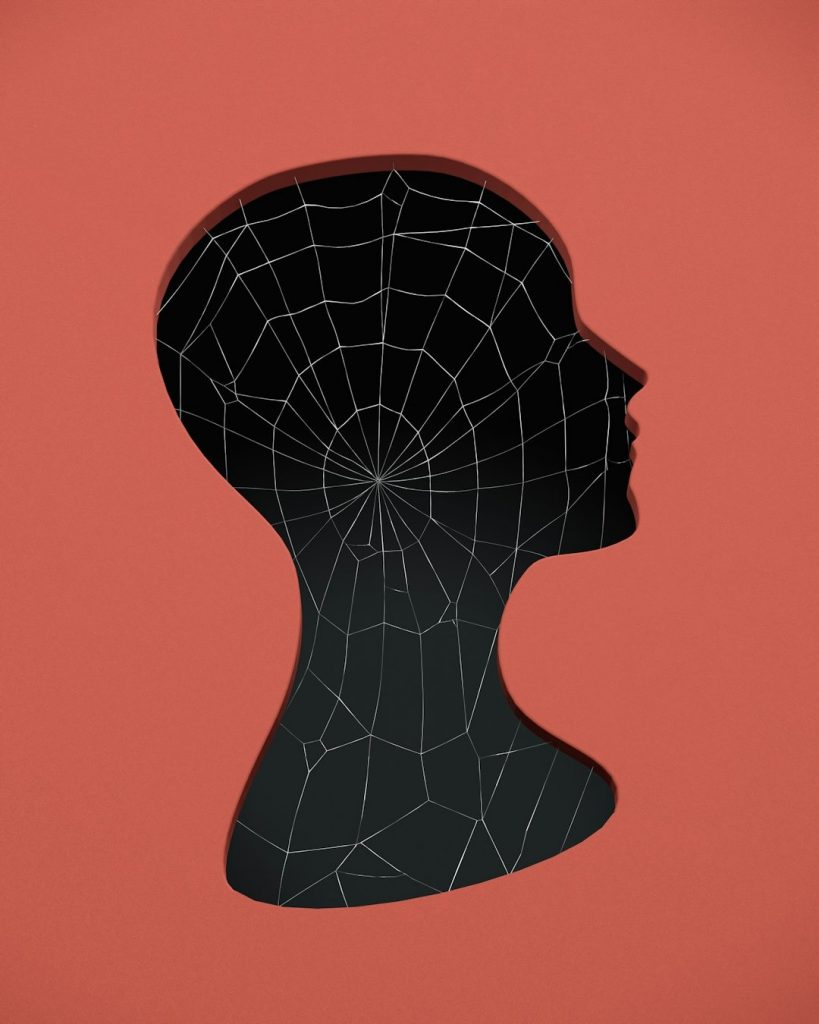
Searching for Structure in Randomness Experiment 3
It’s been over a month since my last post, and a lot has shifted for me. When I built out Experiments 1 and 2, I thought the major challenges in validating psi research lay in experimental setup. I believed experimenters choosing which parts of data to analyze, dropping…
-
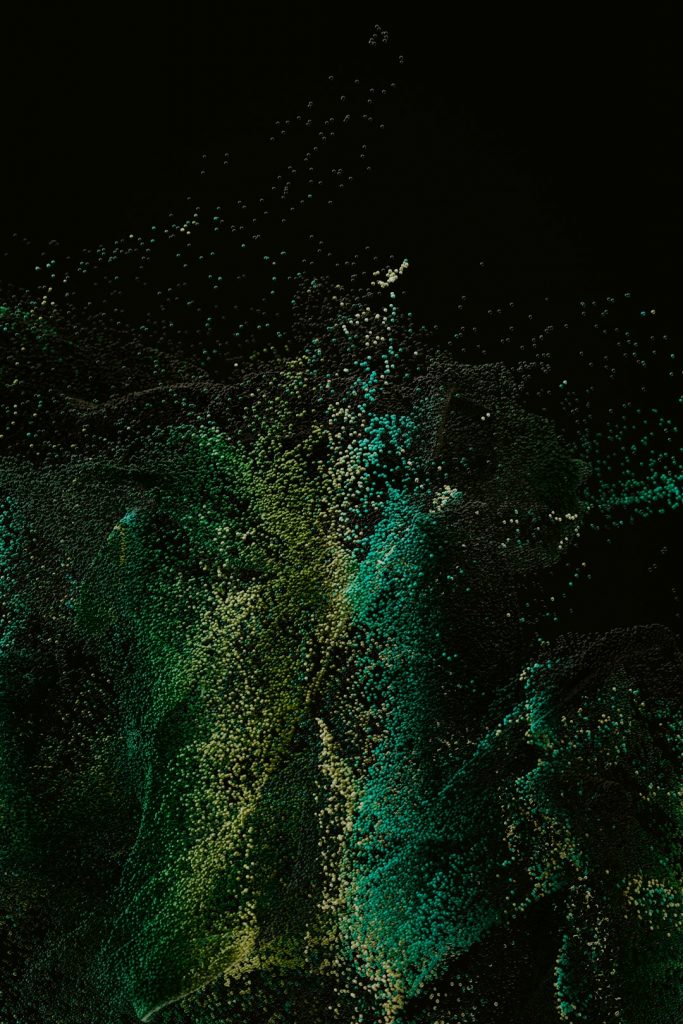
Conscious Agents and the Simulation of Space-Time
What if reality isn’t the goal of perception, but a side effect of information filtering? Donald Hoffman’s The Case Against Reality suggests our senses evolved to see what helps us survive, not what’s true. I take that one step further. Maybe consciousness itself runs on two levels; a…